

Between Darkness and Light
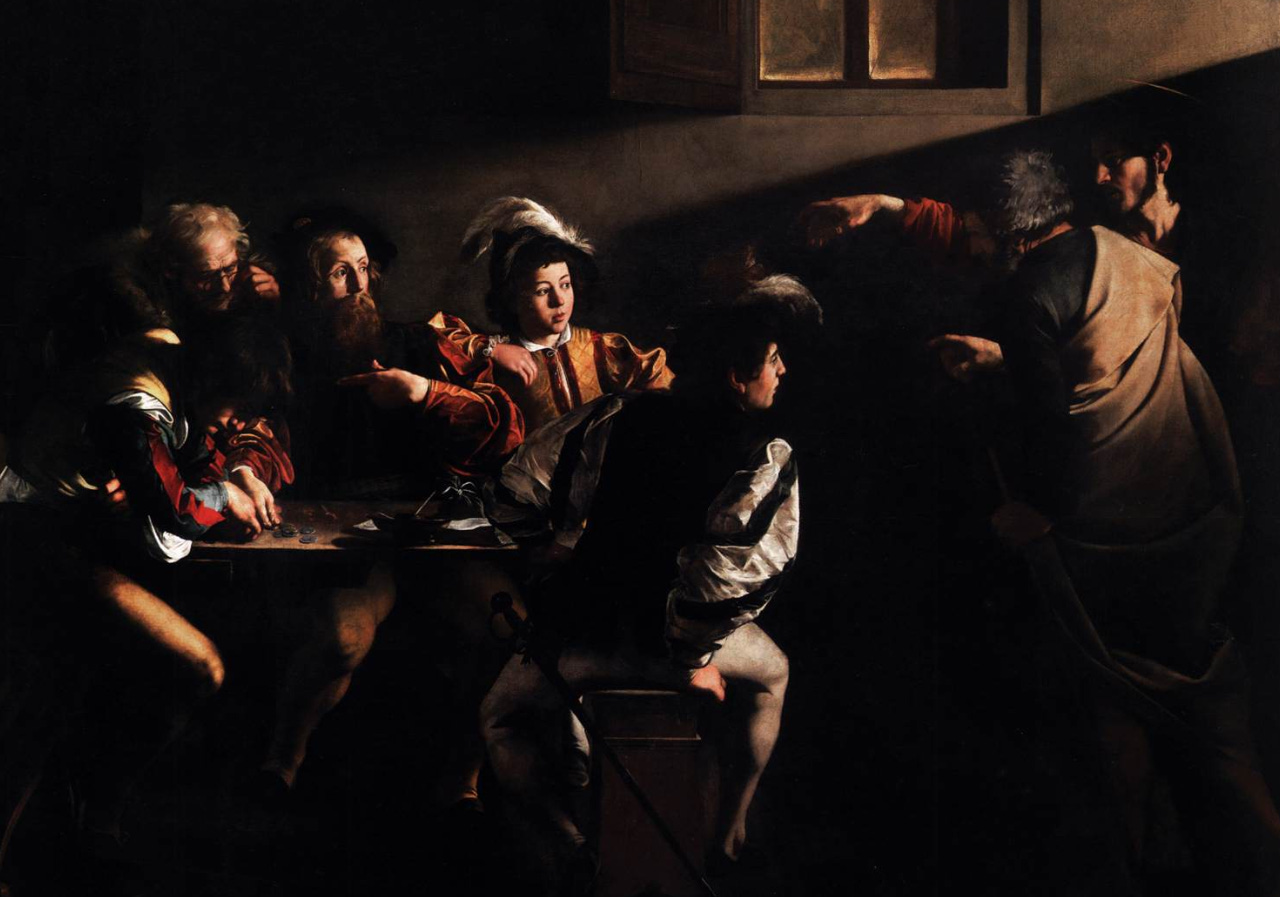
As Caravaggio understood, light doesn't always bring comfort; sometimes it exposes what we have been hiding.

The winter solstice marks a turning point. It is the longest night of the year, yet also the moment when light begins, almost imperceptibly, to return. Spiritually, this matters. Many traditions see light not as the denial of darkness, but as something that emerges from within it. The solstice does not erase winter; it offers a promise of change.
People often arrive in therapy in the midst of darkness, when nothing seems clear and they feel constricted. Yet transformation begins precisely at this point — when something can no longer remain as it was. To grasp this and examine what is happening openly and honestly, without certainty of outcome, is an act of courage.
When we visited the Shetland Isles, people spoke of hunkering down through winter, spending months with barely six hours of daylight each day. Yet in the midst of this seasonal deprivation, people make light. Wherever we went candles glowed indoors. And most striking of all was the fire festival of ‘Up Helly Aa’: the community builds a Viking ship, floats it into the harbour, and sets it ablaze.
Psychologically, this is profound. When light cannot be relied upon, it must be generated deliberately, collectively, as a ritual. I have worked with individuals who feel caught in a vortex, where thoughts, feelings, and behaviours loop endlessly. To change, they need to throw back the curtains — to see things anew, or differently. They need another way of seeing and being that loosens old messages that constrain, that allows them to move towards a life that feels freer.
Light can mediate between our inner and outer Worlds
In Caravaggio’s work, light is never neutral. It mediates between the external world and the inner life. It cuts across the scene, illuminating faces, hands, wounds. Figures in his paintings seem caught at the threshold between awareness and avoidance, between recognition and resistance. Caravaggio shows us that light is most powerful when it has darkness to work against. Chiaroscuro — the dramatic contrast of light and dark that defines his work — is not only a painting technique; it is a way of understanding life.
Uniform brightness flattens meaning. In the same way, relentless optimism can feel suspicious: something real is being hidden. Psychological insight does not come from perpetual illumination, but from negotiating what is visible and what remains in shadow, from grappling with what we know and what we are still becoming.
We might ask ourselves: What wants to be seen now? What is emerging into awareness, not to be eliminated, but to be understood. Psychologically, this invites a different relationship with our own shadows.
This resonates with my work as a psychotherapist, as I enter into a process with another person. Psychotherapists are trained to observe relentlessly and accurately what we see and hear, moment by moment. As a person opens up their thoughts and feelings, this practice can create insight. Sometimes this unfolds gently, but more often painful emotions, memories, and responses emerge and bubble up into awareness suddenly, demanding attention.
Caravaggio’s light behaves the same way: it can be abrupt, challenging, and unsettling, exposing truths we may have preferred to keep hidden. Helen Langdon, in her majestic biography of the artist, observes that his genius lies in showing that spiritual awakening happens within ordinary life, not outside it. The divine does not descend into pristine spaces; it emerges in taverns, back rooms, and moments of moral ambiguity. Revelation occurs “not in spite of human frailty, but through it.”
Bringing darkness into light
What remains hidden retains power. What comes into the light loses some of its capacity to harm. Freud called this ‘making the unconscious conscious’. But it is rarely painless: illumination often brings discomfort, grief, or the loss of illusion. As I often say to people, entering into a psychotherapy process is like taking a stick and stirring a pond where the silt has settled at the bottom. Inevitably, the vista becomes unclear and the way forward uncertain for a while.
Yet whether in Caravaggio’s stark interiors, solstice rituals, or Shetland’s fire-lit nights, light performs the same function: it reveals what matters. It does not shy away from the messy, difficult, or uncomfortable. If we trust, it shows us a way through.
Perhaps light’s deepest gift is not comfort, but clarity.
I wonder how this lands with you. Are there places in your own life where you sense something wanting to come into awareness? Are there places where you need to throw back the curtains?
I’m really glad you’ve found your way to Talking Trauma
This is a space where I reflect on psychological ideas as they show up in everyday life: in relationships, culture, art, the natural world; but also in those quiet moments we often rush past. I write from my perspective as a psychotherapist, but not to offer quick fixes or easy answers. Instead, these pieces are invitations to pause, notice, and think together about what shapes us, especially in times of difficulty, uncertainty, or change.
Rather than clinical language, you’ll find reflections on themes such as trauma, resilience, emotional patterns, and psychological insight, often rooted in ordinary experiences and drawn from topical issues. My hope is that what you read feels thoughtful, humane, and grounded, and that it offers companionship rather than instruction.
As you read along, you might notice yourself resonating, resisting, or feeling curious. All of that is welcome here.
I’m glad you’re here, and I hope Talking Trauma offers you a place to pause and reflect.
Best wishes,
Philippa
As Leonard Cohen once wrote, “There is a crack in everything.
That's how the light gets in.”
What a great insight about the stained glass. I never heard that. And thank you for this exchange. I like the idea of perspective changing our view, so very helpful. Philippa